Project Overview
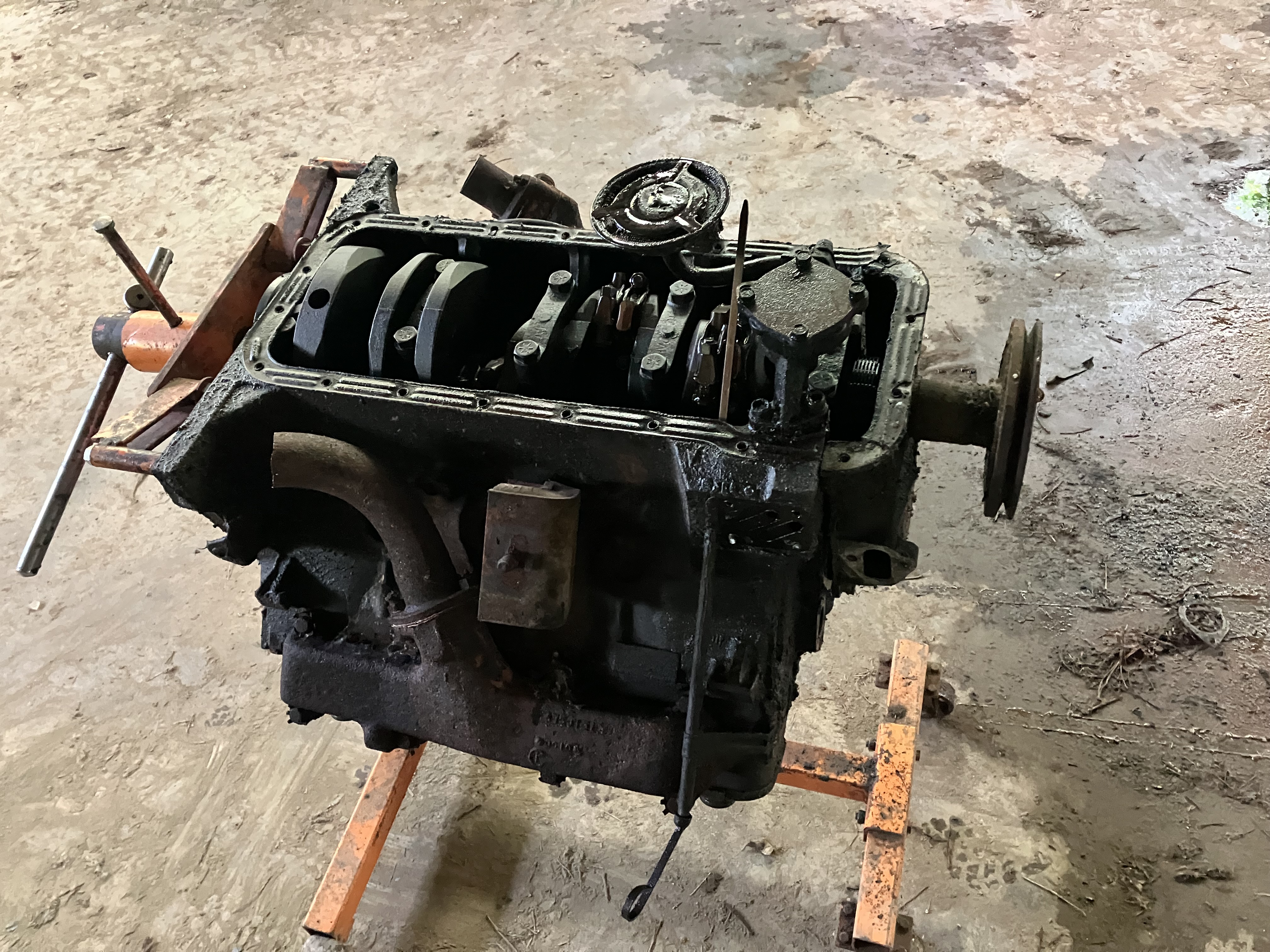
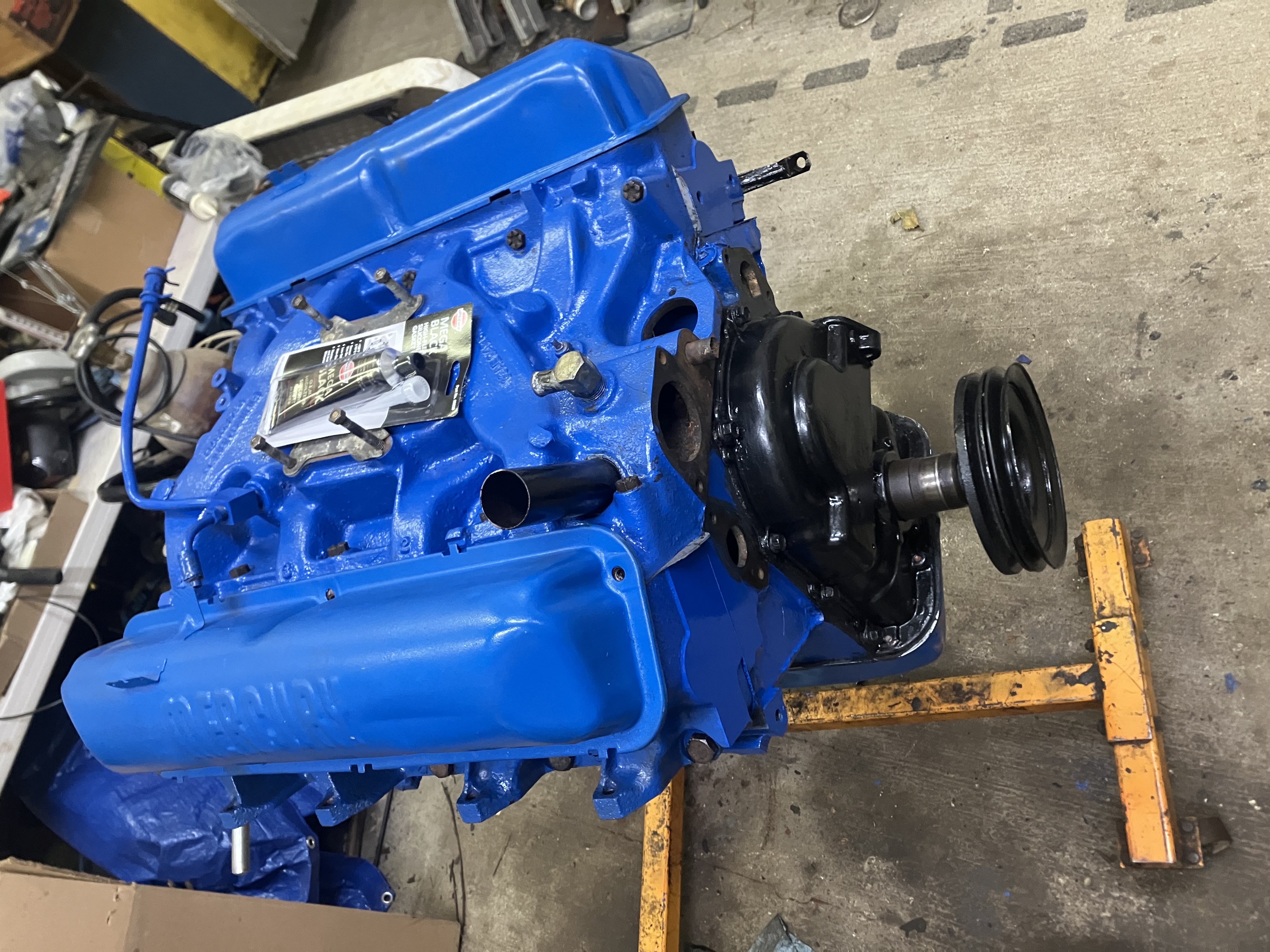
This project involved the restoration of a Ford 390 FE V8 engine originally sourced from a Mercury vehicle. The FE (Ford-Edsel) engine family is well known for its durability, torque production, and significance in American automotive history. In this project I applied physics principles like electrolysis, precison measurement, and various mechanical engineering principles to restore the engine to a reliable and functional state. The restoration process included disassembly, inspection, cleaning, replacement of worn components, and reassembly following factory specifications.
Technical Specifications
- Engine Family: Ford FE (Ford-Edsel)
- Configuration: 90° V8
- Displacement: 390 cubic inches (6.4 L)
- Aspiration: Naturally Aspirated
- Fuel System: Carbureted
- Vehicle Source: Mercury
- Project Period: 2024–Present
Restoration Process
The restoration process focused on careful evaluation of components ensuring components are within spec. This restoration was peformed with reliability and budget in mind.
- Complete engine teardown and documentation
- Inspection of block, crankshaft, pistons, and cylinder heads
- Cleaning and preparation of reusable components
- Replacement of gaskets, seals, bearings, and wear items as needed
- Precision measurements and tolerance verification
- Reassembly following factory specifications and torque procedures
Electrolytic Rust Removal
To clean heavily corroded parts without damaging the base metal, I used electrolytic rust removal, a process that relies on electrochemistry rather than abrasives or harsh chemicals. The setup used a plastic tub filled with a washing soda (sodium carbonate) and water solution, a sacrificial steel anode, and the rusted part itself as the cathode, connected to a DC power supply. Running current through the solution drives a reduction reaction at the part's surface, breaking rust down into loose iron oxide sludge that wipes away, while the base metal underneath is left largely untouched.
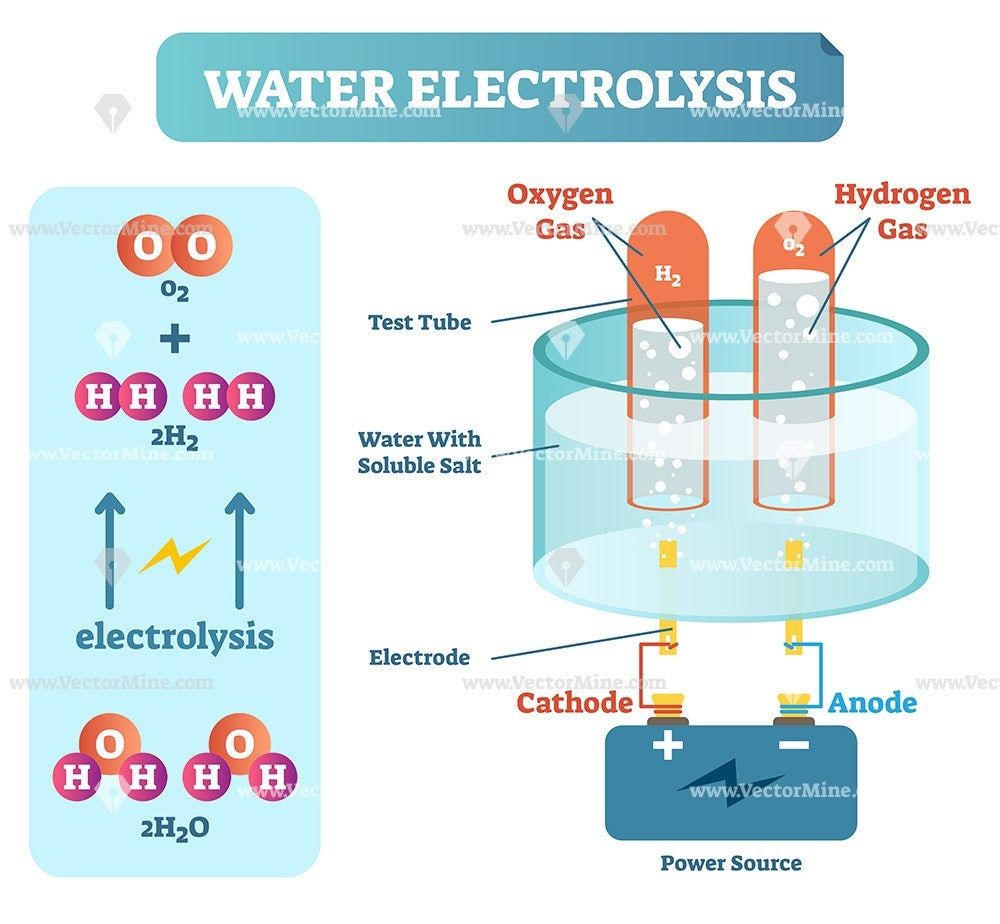
The image above is from "https://harrisonewaibarra.blogspot.com/2022/09/electrolysis-diagram.html". I will briefly explain the Physics behind the process in the context of this project. So the current flows from the battery charger I have on the left side of the image below to the cathode which is the sacrificial steel. In the tub around the block is a
mixture of baking sode which is the electrolyte and contains water. So the current flowing through the elelctrolyte causes the metal oxide(Rust) to gain electrons meaning that it will to be reduced back to iron. At the anode the steel will be oxidized and loses electrons. This process continually happens as the current runs through the tub.
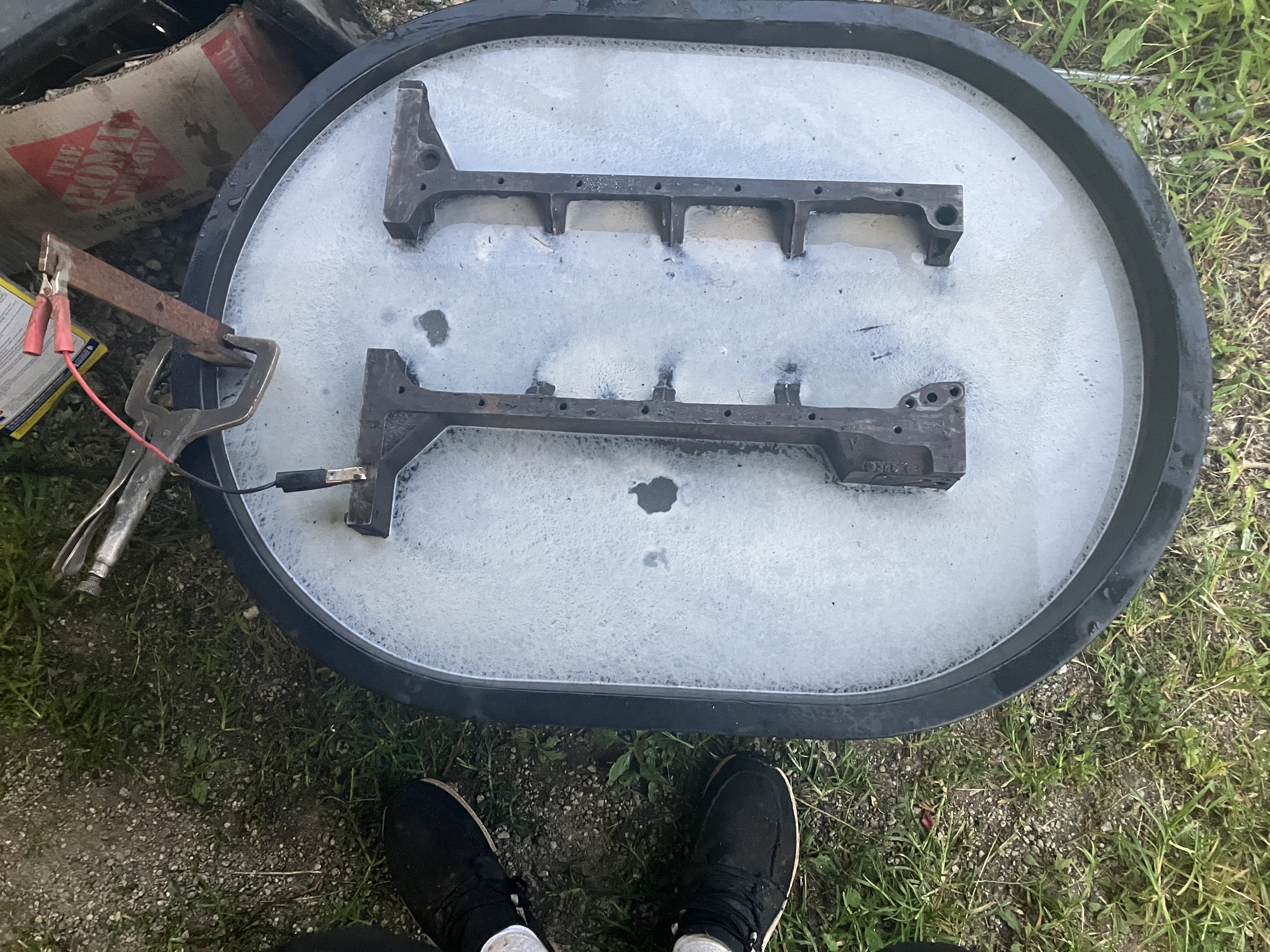
This method was especially useful for parts with intricate geometry, like the bracket and small hardware, where sandblasting or wire wheeling risked rounding edges or removing material. It saved me a ton of time, effort, and money.
Skills Demonstrated
- Application of Physics Principles
- Engine disassembly and assembly procedures
- Precision measurement using automotive tools
- Technical documentation and organization
- Problem-solving and project planning
- Understanding of internal combustion engine systems
Lessons Learned
Working on a classic FE engine reinforced the importance of careful measurement, documentation, and patience throughout a restoration project. The experience improved my understanding of mechanical systems, manufacturing tolerances, and the engineering decisions behind mid-century American V8 engine design.